What are the Regulations on Cooker Hoods in the UK?
It is important to understand that there are no universal installation measurements that apply to every cooker hood. Requirements and recommendations can vary between manufacturers and models, depending on the design and specifications of the appliance.
The information below should therefore be used as general guidance only. Always refer to the manufacturer's user handbook and installation instructions for the correct requirements for your specific cooker hood.
Cooker Hood Installation Guidelines: What You Need to Know
When installing or using a cooker hood, there are several general guidelines to consider to help ensure it operates safely and effectively.
At what height should a cooker hood be installed above a hob?
As a general guide, traditional chimney-style cooker hoods are commonly installed at the following minimum distances above the hob:
- Gas hobs: Approximately 750mm.
- Electric hobs: Approximately 650mm.
However, these measurements are not universal regulations and can vary considerably depending on the style and design of the cooker hood.
For example:
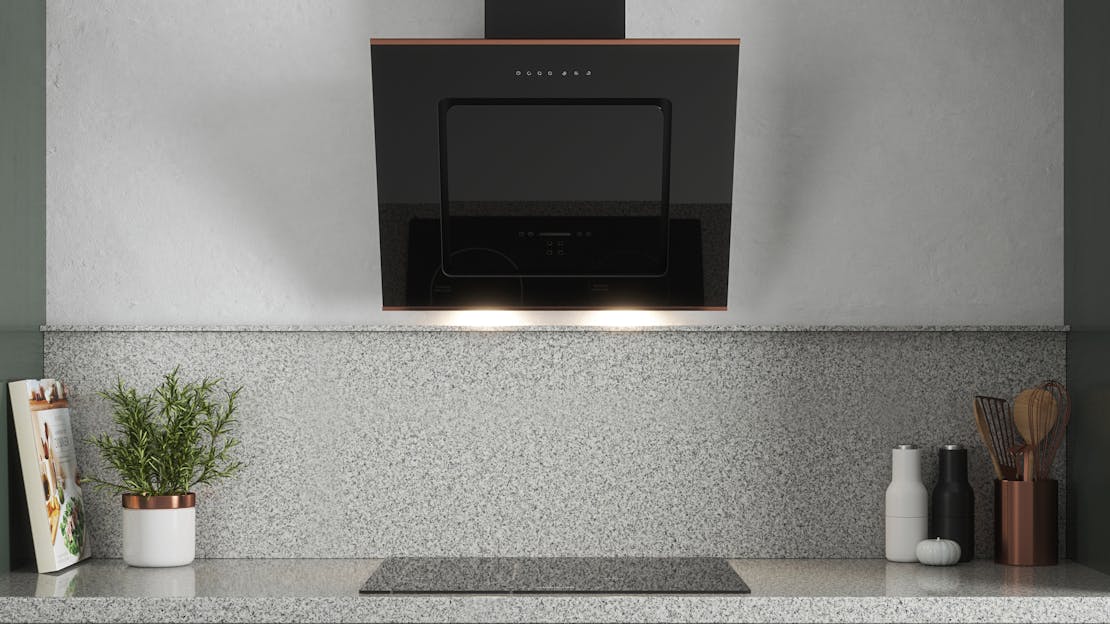
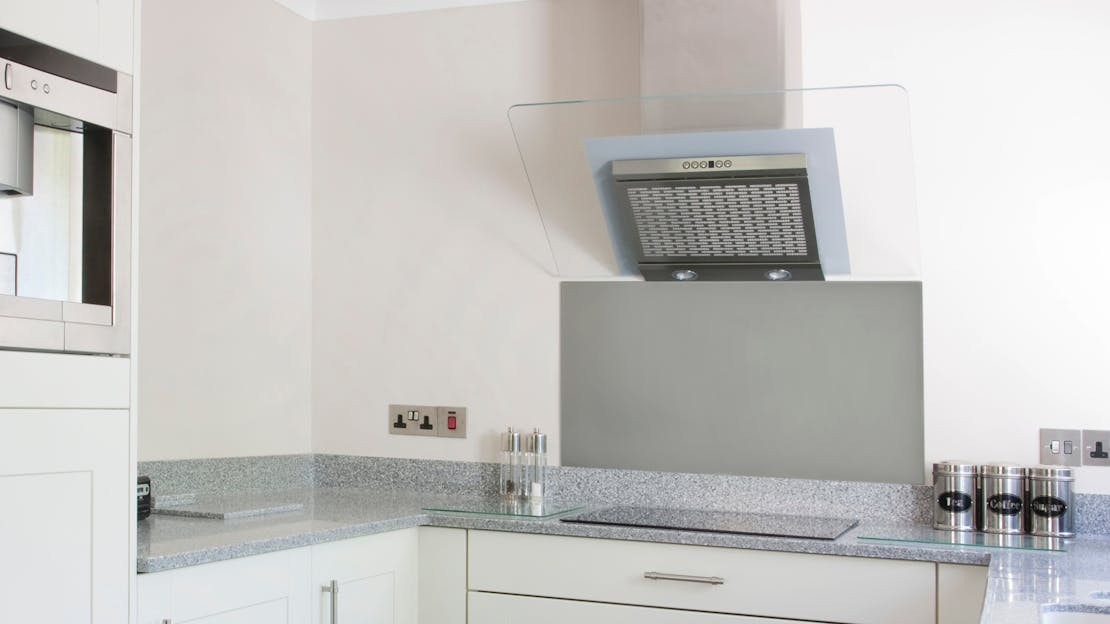
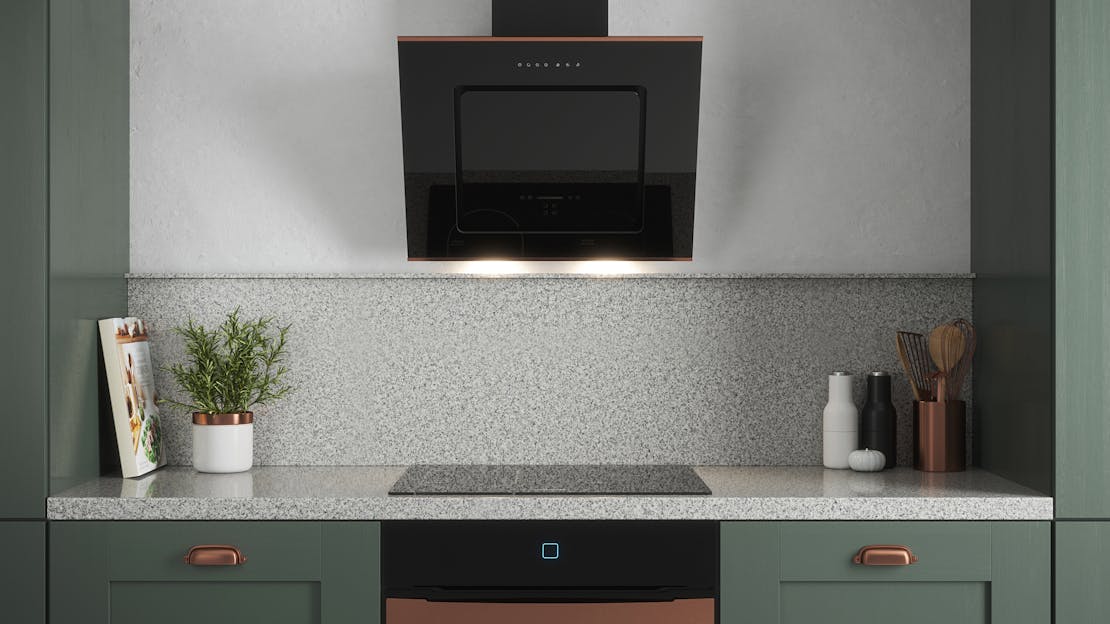
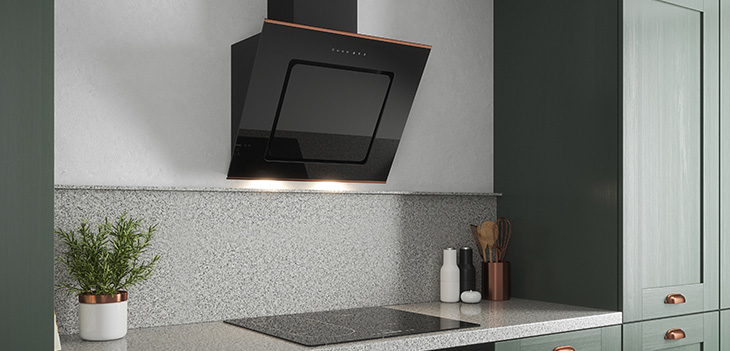
- Angled glass cooker hoods: Some models specify minimum installation heights of approximately 650mm above a gas hob and 435mm above an electric hob, depending on the manufacturer and model.
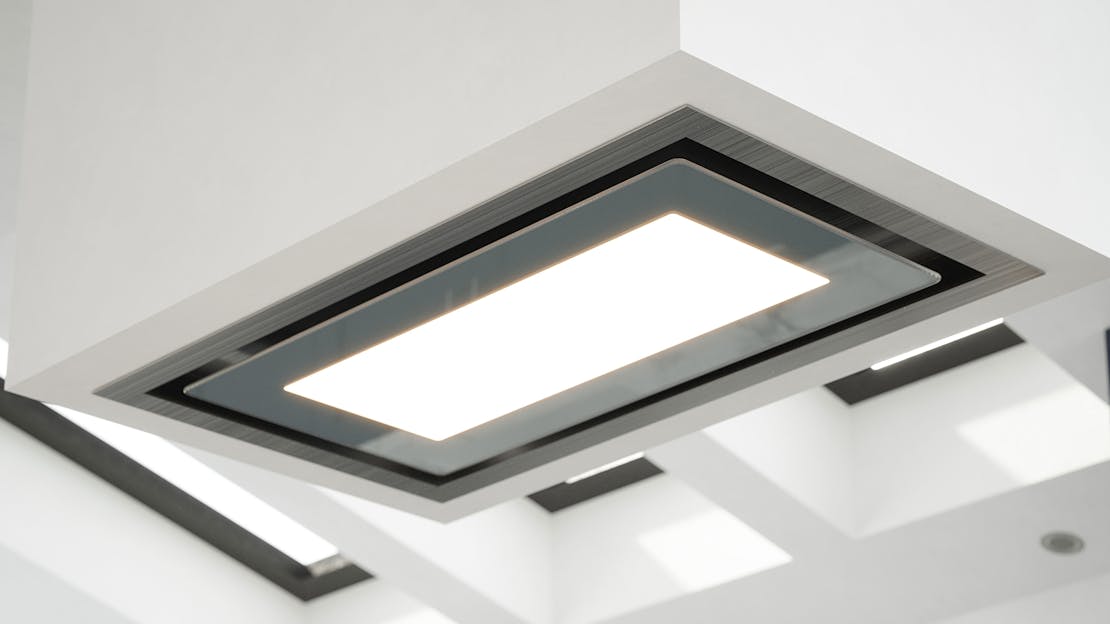
- Canopy cooker hoods: Some models can have recommended minimum installation heights as low as 400mm, depending on the manufacturer's specifications.
These examples demonstrate why it is important not to assume that the same installation height applies to every cooker hood. Some manufacturers specify different minimum or maximum installation heights, so always check the instructions supplied with your appliance before installation.
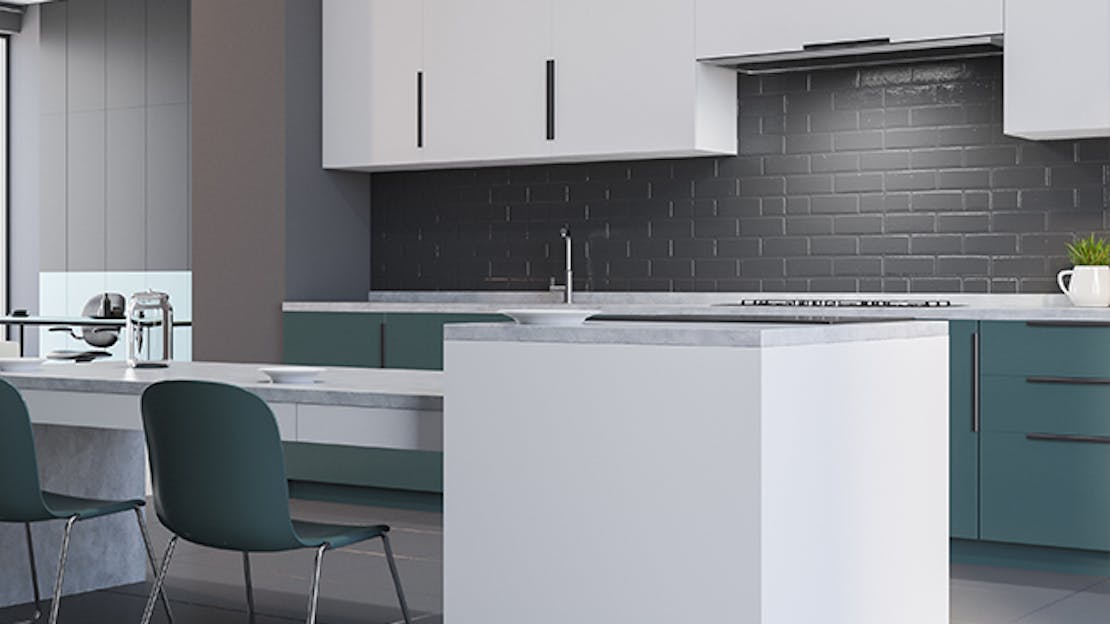
You should also consider the distance between the hob and surrounding cabinets or end panels. A clearance of approximately 300mm from the sides of the hob is sometimes used as a general guideline, but the correct spacing will depend on the hob manufacturer's recommendations and the kitchen layout.
Cooker hood ducting guidelines
If your cooker hood is being installed with external extraction, the ducting should be planned to provide an efficient route for removing cooking fumes and moisture.
As a general recommendation:
- Keep ducting as short and straight as possible.
- Minimise the number of bends, particularly sharp right-angle bends.
- Use rigid ducting where practical, as it generally provides better airflow than flexible ducting.
- Ensure the ducting diameter is suitable for your cooker hood.
Some general installation advice suggests keeping ducting to around 4 metres, with additional reductions for bends. However, this is not a universal limit. The maximum recommended duct length and acceptable number of bends will vary depending on the cooker hood model, motor performance and ducting configuration.
Always consult the manufacturer's installation handbook for specific ducting requirements.
Who should install a cooker hood?
Cooker hood installation requirements will depend on the appliance, the type of installation and any electrical or building work involved.
Where electrical work is required, it should be carried out by a suitably qualified and competent person. If installation involves alterations to gas appliances or gas connections, a Gas Safe registered engineer must carry out that work.
Always follow the manufacturer's installation instructions and seek professional advice if you are unsure about any part of the installation.
Additional tips for choosing and installing a cooker hood
When choosing and installing a cooker hood, there are a few other important factors to consider:
Choose the correct size
Select a cooker hood that is suitable for the width and layout of your hob. Ideally, the hood should be at least as wide as the cooking area to help capture cooking fumes effectively.
Consider the extraction rate
The extraction rate, measured in cubic metres per hour (m³/h), indicates how much air the cooker hood can move. Choose a model with an extraction capacity suitable for your kitchen size and cooking habits.
Choose the right ducting
There are two common types of cooker hood ducting: flexible and rigid.
Flexible ducting can be easier to install, particularly where space is restricted. However, rigid ducting generally provides better airflow and is often the preferred option where practical. Always use the ducting size and type recommended by the manufacturer.
Ensure adequate ventilation
Make sure your kitchen has suitable replacement air when using an externally ducted cooker hood. Adequate ventilation helps the appliance operate effectively and maintain good airflow.
Always check the manufacturer's instructions
The measurements and recommendations in this guide are intended as general guidelines, not regulations or universal installation requirements.
Every cooker hood manufacturer is different, and installation specifications can vary significantly between models and styles. This includes recommended installation heights, ducting lengths, ducting diameters and ventilation requirements.
Before installing your cooker hood, always read the manufacturer's user handbook and installation instructions. These should be your primary reference for ensuring your particular appliance is installed and used correctly.
Top Selling Cooker Hoods from MyAppliances
Explore our best-selling cooker hoods, featuring angled glass, curved glass, and chimney styles. These sleek options offer powerful ventilation and contemporary design, ideal for modern kitchens. Upgrade your cooking area with our top-selling hoods, merging functionality with stylish appeal.
Cooker Hood Buying Guides - Helping you choose the right cooker hood
Cooker Hood Buying Guides - Helping you choose the right cooker hood
With your brand new oven and hob in place, completing your amazing kitchen setup requires a sleek cooker hood. However, with the overwhelming array of options available, finding the perfect one can be challenging. Our comprehensive guide will empower you with knowledge about all things cooker hoods, boosting your confidence when making the right selection.
![The Ultimate Guide to Cooker Hoods]()
From understanding the different types and features to exploring installation options and maintenance tips, this comprehensive guide will equip you with the knowledge to transform your kitchen into a truly captivating and odour-free haven.
![The Ultimate Guide to Integrated Cooker Hoods]()
Within this comprehensive guide, we will delve into the various types, features, installation options, and maintenance tips for integrated cooker hoods, enabling you to make an informed choice and enhance your kitchen into a fresher, more enjoyable environment.
![Island Cooker Hood Guide]()
Easily attached to the ceiling and located in the centre of your kitchen, our island cooker hoods here at MyAppliances make a real statement in your home.
![Designer Cooker Hood Buying Guide]()
Looking for a designer cooker hood? You’ve come to the right place! Our sleek yet stylish cooker hoods offer all the features you’d expect from a luxury item like this, without the luxury price tag.
![Chimney Cooker Hood Buying Guide]()
Our Chimney Cooker Hoods can make a great focal point in your kitchen and really add some flare, with a great choice of colours and sizes.
![Curved Glass Cooker Hood Buying Guide]()
Our Curved Glass Cooker Hoods provide a stylish and practical addition to your kitchen. Available in a wide range of sizes, these hoods will look cool in any location.
![Angled Glass Cooker Hood Buying Guide]()
Our Angled Glass Cooker Hood design enables you to maximise the space available in your kitchen. Available in a wide range of sizes and colours this hood offers performance and quality at affordable prices.
![The Ultimate Guide to Splashbacks]()
In this comprehensive guide, we'll explore different types, materials, benefits, and installation processes, empowering you to make informed choices and enhance the beauty and functionality of your home with splashbacks.